


JUYE Technology, a TPE thermoplastic elastomer manufacturer with 19 years of experience — provides you with comprehensive R&D and production solutions for TPE, TPR, TPV, TPV-SiR, TPU, and TPEE materials.
Since 2008, we have expanded into a broad range of industry application markets, providing rich solutions for various industries, with numerous application cases for your reference.
The processing and production technology of TPE materials is relatively complex, requiring strict control of the process parameters and operating conditions at each stage.
Juye Technology has gone through nearly 20 years of steady development and has established a comprehensive and thoughtful service support system.
Through the media information channel, you can get the latest updates on JUYE Technology Company's development and industry news in the first time. The FAQ and video center allow you to better explore the world of TPE materials.
JUYE Technology's sustainable development aims to carry out low-carbon production under the premise of protecting the Earth's green environment, participate in global economic cooperation and innovation practices, establish harmonious and symbiotic relationships with partners, contribute to the country, promote the development of the enterprise, and seek welfare for employees.
Dongguan JUYE Plastic Technology Co., Ltd. is a TPE thermoplastic elastomer company integrating research and development, production, and sales.
Where is the good Jiangxi thermoplastic elastomer TPR

TPE elastomer soft glue is used for two-shot injection molding and overmolding.
The thickness of TPE, TPR overmolding layer. In most overmolding applications, a wall thickness range of 1.5-3.0mm will ensure good adhesion. If the TPE layer is too thin, injection molding is more difficult, adhesion strength is low, and hand feel is poor. If the TPE layer is too thick, on one hand the cost is higher, and on the other hand defects such as sink marks and bubbles are prone to occur.
The wall thickness of the TPE layer should be as uniform as possible to achieve the best molding cycle. Transitions between different wall thicknesses should be gradual to reduce fluid flow problems such as flow marks and bubbles.
Thermoplastic elastomer TPR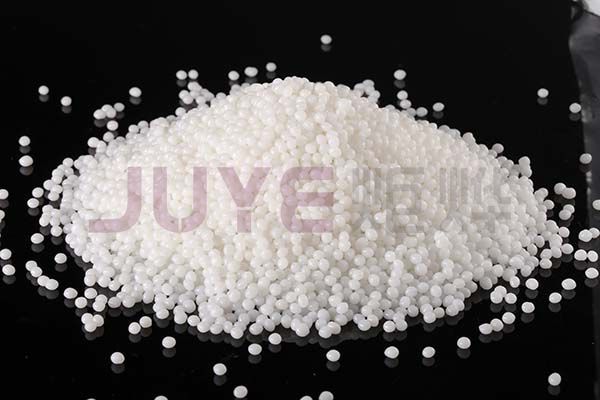
TPE overmolding generally uses a two-shot injection molding process, where the injection-molded hard plastic part is fixed in the overmolding mold,
Styrenic transparent TPE, which is widely used in the footwear industry, has largely replaced rubber. At the same time, its use in industrial rubber products such as rubber sheets and rubber plates is also expanding.
To achieve a matte appearance like that of thermoset rubber, a rougher mold surface is required. Generally speaking, the rough surface produced by electrical discharge machining (EDM) of the mold cavity will create an excellent workpiece appearance and make demolding easier. Abrasive methods such as steam blasting, sandblasting, or shot blasting, as well as chemical etching, can also be used to create surfaces with different gloss and appearance.
Thermoplastic elastomer TPR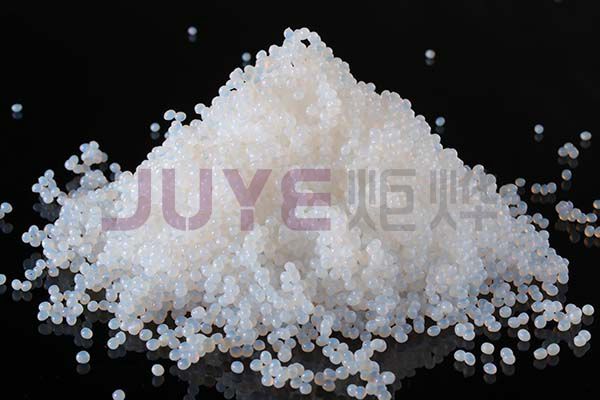
For overmolding nylon using a standard injection molding machine, it is recommended before overmolding that
TPE is a classic aggregation-induced emission molecule, meaning it has no fluorescence in solution but exhibits strong fluorescence in the solid state. Therefore, transparent TPE materials also have important applications in fields such as organic optoelectronics.
Transparent TPE materials have different product properties when used in different aspects. Thermoplastic elastomer is also called TPE material. Transparent TPE not only has the processing properties of thermoplastics but also the physical properties of vulcanized rubber. This is the advantage combination of plastic and rubber. Transparent TPE is widely used in people's daily life and production.
Thermoplastic elastomer TPR
Tell us about your application and requirements. Our team will help you evaluate suitable grades.


