


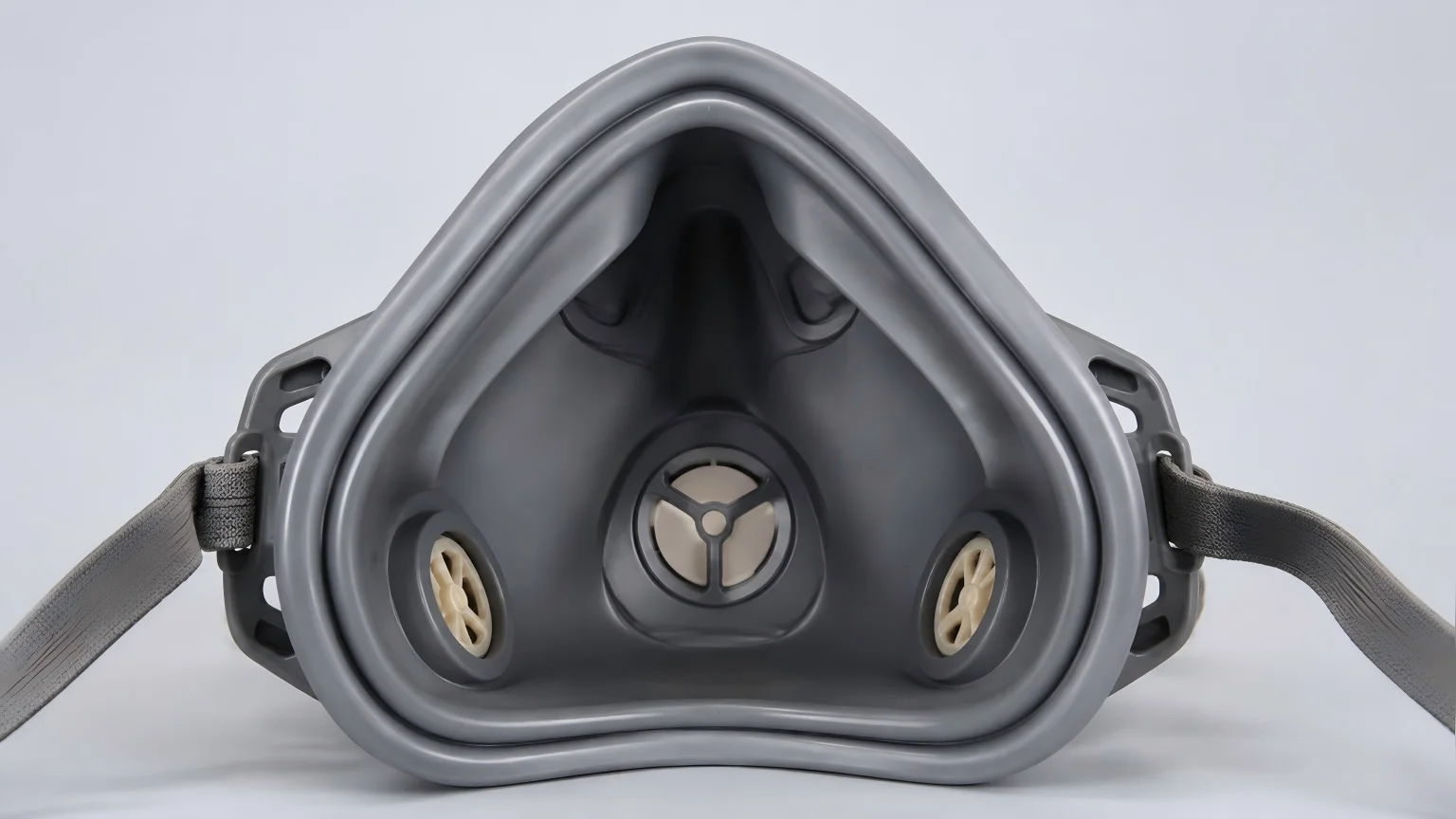
1. What is 35-degree Food-Grade TPE Overmolding PC
35-degree food-grade TPE overmolding PC means wrapping a layer of TPE soft rubber with a Shore hardness of about 35A around the polycarbonate (PC) hardware. 35A is relatively soft, with a feel close to the stickiness of gummy candy. Food-grade indicates that this TPE layer has passed food contact safety regulations and can directly contact the mouth and drinking water.
This combination is commonly found in baby bottle handles, anti-scalding cup sleeves, bite valves for sports bottles, and blender buttons. PC provides transparency, rigidity, and heat resistance, while TPE provides softness, anti-slip, and sealing. The two materials are molded in one shot to form an integrated part.
2. Why Use 35-degree Food-Grade TPE Overmolding PC
- Soft and sticky feel: 35A is a relatively soft grade, comfortable to hold for long periods, and easy for children and the elderly to grip securely.
- Safe for mouth contact: TPE itself is free of BPA and phthalate plasticizers, and when formulated as food-grade, it can be used for parts that contact drinking water.
- Bonds with PC: Overmolding is not adhesive bonding; it is direct bonding in the molten state, eliminating the risk of delamination.
- PC remains transparent: The soft rubber only covers part of the part, so the cup body and bottle body remain clear, allowing visibility of water level and remaining content.
- Durable and easy to clean: Withstands daily temperature differences and dishwashers, and the surface does not harbor dirt.
3. Bonding Principle of TPE and Hard Plastic
TPE and PC are not naturally adhesive. PC is a polar engineering plastic, and ordinary TPE tends to delaminate in large sheets when overmolded. To achieve a strong bond, a special bonding-grade TPE grade developed for PC must be used, which has a certain compatibility with PC at the molecular level and can bite into it when molten.
- Chemical/Physical Bonding (Compatibility): PC and TPE are not directly compatible; a PC-specific bonding-grade TPE must be used; ordinary grades almost always fail to bond with PC. Juye has a bonding-grade series corresponding to PC.
- Mechanical Interlocking: Add undercuts, through-holes, and texture (etching) in the bonding area of the hardware so the soft rubber can embed into it. Even if the material bond is weaker, the structure can hold it. This is especially important for food-contact parts, as delamination could lead to accidental ingestion.
4. What is the Difference Between Two-Shot Injection Molding and Overmolding?
| Comparison Dimension | Two-Shot Injection Molding | Overmolding |
|---|---|---|
| Process Flow | Single mold setup, completed on one machine | Mold substrate first, then remove and re-mold in a second setup |
| Production Efficiency | High, cycle time reduced by 30%-50% | Lower, requires manual transfer |
| Material Bond Strength | Strong, direct bonding in molten state | Medium, depends on surface treatment and adhesives |
| Mold Cost | Higher | Lower |
| Suitable Batch Size | >100,000 pieces | Small batches or prototyping |
5. Material Selection Guide (Hard Plastic → TPE)
| Hard Plastic Substrate | Recommended TPE | Bonding Key Points |
|---|---|---|
| PC | PC-specific bonding-grade TPE (35A available in food-grade) | Must select PC bonding series, clean interface, control mold temperature |
| ABS | Specific bonding-grade TPE | Select bonding series, control mold temperature |
| PP/PE | Specific bonding-grade TPE | Naturally compatible, direct overmolding |
| PA (Nylon) | Special bonding-grade TPE / TPU | Requires bonding grade or surface treatment |
| PBT / POM | Difficult to bond, special grade or treatment | Prioritize mechanical interlocking + treatment |
6. Structural Design Key Points
- Bonding Area: Sufficiently large and continuous, avoid long thin suspended soft rubber.
- Mechanical Structure: Undercuts, through-holes, and texture enhance bite force, especially important for food-contact parts.
- Wall Thickness and Transition: Gradual transition between soft and hard to avoid stress cracking; avoid overly thick overmold layers to save material and reduce shrinkage.
- Shrinkage Rate Matching: TPE and PC have different shrinkage rates; reserve compensation to prevent wrinkling of the soft rubber after cooling.
- Gate Position: Avoid direct impact on the PC hard surface to prevent marring the hard plastic.
- Venting and Sealing: Thin-wall overmolding is prone to trapped gas; add vent grooves; for bite valve parts, pay attention to the sealing line at the soft-hard junction.
7. Process Parameter Key Points
| Stage | Key Points |
|---|---|
| Drying | PC must be dried (approx. 120°C, 4 hours); TPE also absorbs moisture and needs drying, otherwise silver streaks and bubbles occur |
| Melt Temperature | PC barrel approx. 280–320°C, TPE approx. 180–210°C, adjust according to grade; too low results in poor fusion and flow marks |
| Mold Temperature | Moderately increase mold temperature to improve TPE flow and PC surface fusion |
| Injection | Medium-high speed filling; TPE injection speed should not be too high to avoid eroding PC |
| Packing/Cooling | Sufficient packing to compensate for shrinkage, cooling matched to PC and TPE shrinkage |
8. Common Defects and Countermeasures
| Defect | Possible Cause | Countermeasure |
|---|---|---|
| Delamination / Separation | Not using PC bonding grade, oily hardware, low mold temperature | Switch to PC-specific bonding-grade TPE, clean hardware, increase mold temperature, add mechanical interlocking |
| Flow Marks / Weld Lines | Low melt temperature, improper speed, poor venting | Increase melt temperature, adjust injection speed, add venting |
| Flash | Insufficient clamping force, excessive injection volume | Adjust clamping force and shot size |
| Soft Rubber Eroding Hard Plastic | Gate facing PC directly, excessive injection speed | Change gate location, reduce injection speed |
| Sink Marks / Gas Marks | Insufficient packing, trapped gas | Optimize packing and venting |
9. Practical Case:
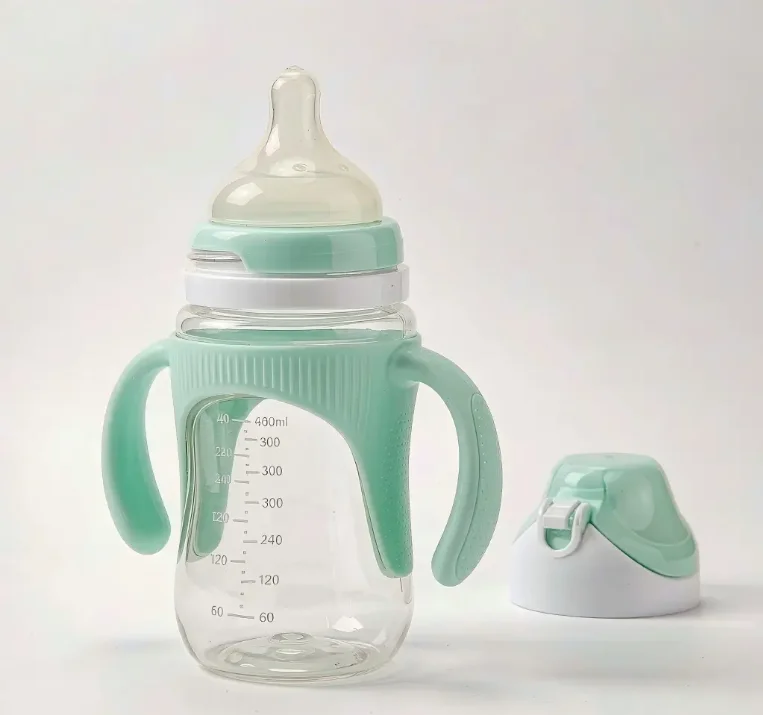
A maternal and infant products customer making PC baby bottles needed to add a ring of 35A food-grade TPE handle around the bottle body, requiring steam sterilization, no odor, and no delamination after boiling. Juye's solution: use PC-specific bonding-grade, Shore 35A food-grade TPE, add texture and undercuts in the hardware bonding area, and re-adjust mold temperature and packing pressure to suppress delamination and flow marks. The finished product passed FDA, EU 10/2011, and GB 4806.11, with no delamination or oil bleeding after repeated steaming, and stable mass production yield.
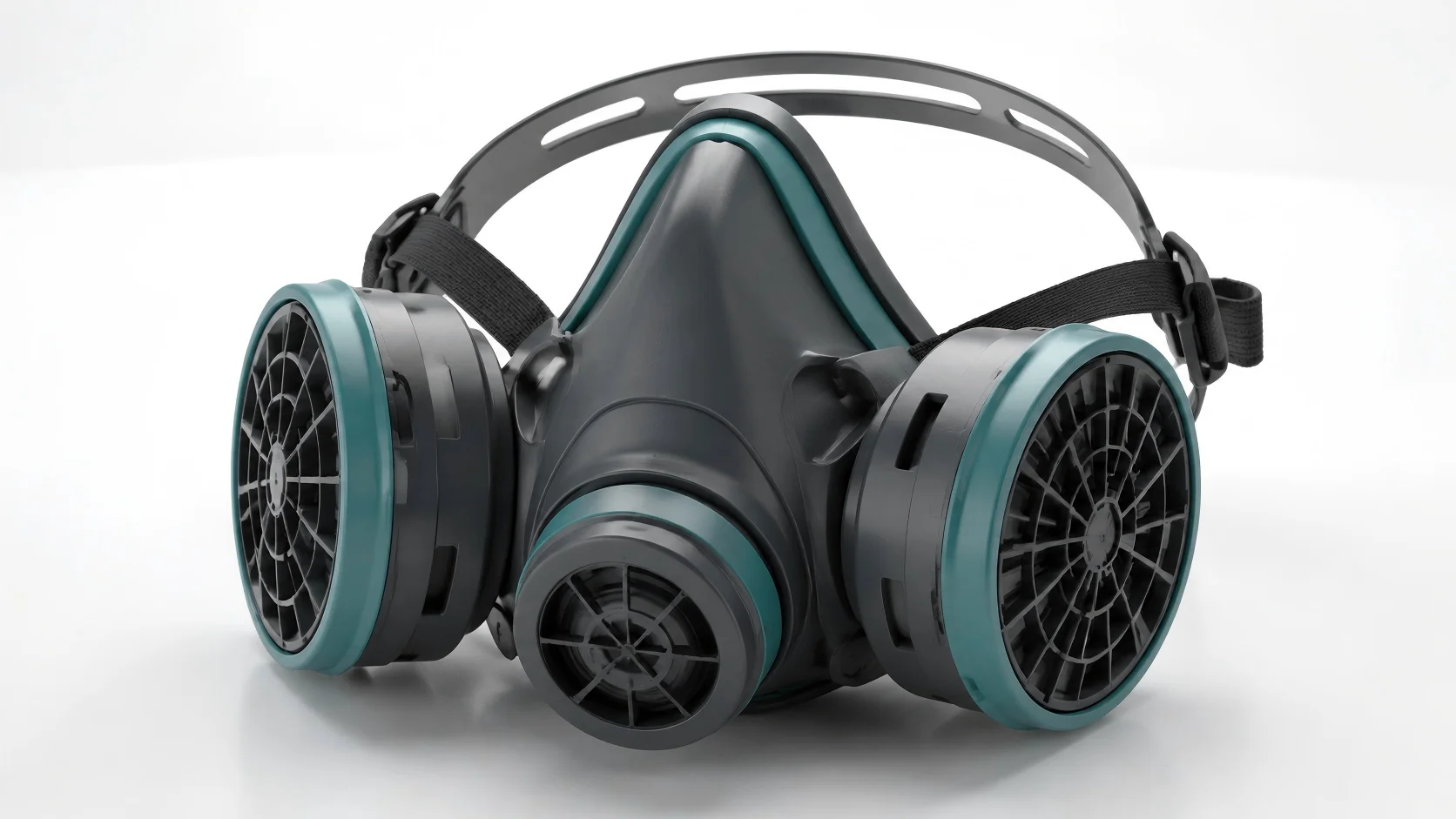
10. Typical Applications
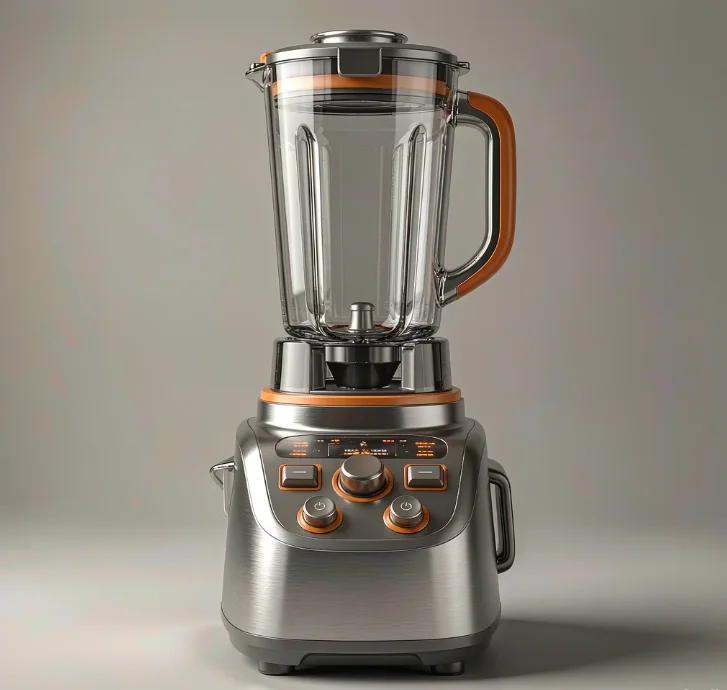
In specific products: baby bottle handles and nipple protection, anti-scalding soft rubber sleeves for cups, bite valves for sports bottles, blender/food processor buttons, and overmolded coffee machine dispensing nozzles. Basic grades and concepts can be found in "What is TPE".
11. Selection and Prototyping Recommendations
First, clearly define the shape of the PC part, the soft rubber coverage area, and what it will contact (hot water, oily substances, or infant mouth), then have the TPE manufacturer recommend a PC bonding-grade grade and prototype; start with small-batch overmolding verification, then scale up to two-shot machines for large batches. Dongguan Juye Plastic Technology Co., Ltd. provides PC-specific bonding-grade TPE, with 35A available in food-grade, multiple colors, and custom samples.
| Application | Key Requirements |
|---|---|
| Baby bottle handle | 35A food-grade, steam-resistant, strong PC bonding |
| Cup anti-scalding sleeve | 35A, anti-slip, food-grade |
| Sports bottle bite valve | 35A high toughness, bite-resistant, food-grade |
| Blender buttons | 35A, temperature-resistant, food-grade |
Further Reading:
How to Choose TPE Two-Shot Injection Molding and Overmolding Materials? Application Guide for Power Tools, Home Appliances, and Automotive Interiors
TPE Two-Shot Injection Molding Application Case Guide
12. FAQ Selection and Procurement Q&A
Will 35-degree TPE overmolding PC delaminate?
Using the correct PC-specific bonding-grade TPE combined with mechanical interlocking such as undercuts and texture, normal use and steaming will not easily cause delamination; delamination mostly occurs when the grade is not selected correctly or the hardware surface has oil contamination.
Can food-grade TPE overmolded PC be steamed and put in the dishwasher?
Food-grade TPE typically has a temperature resistance of about -40°C to 100°C. Short-term steaming and the top rack of a dishwasher are generally fine, but the specific grade's temperature limit should be checked and not exceeded.
Is 35A too soft and prone to tearing?
35A is relatively soft, but TPE itself is elastic and will not tear under normal gripping and squeezing; it can be scratched by sharp objects or damaged by aggressive chewing, and selecting a high-tear-strength grade can improve this.
Does TPE overmolding PC require adhesive?
Two-shot injection molding or overmolding involves direct bonding in the molten state and does not require adhesive; adhesive is only used for post-molding assembly, but this is not recommended for food-contact parts.
What food-grade certifications should be considered?
Common ones include US FDA 21 CFR 177.2600, EU 10/2011, and Chinese national standard GB 4806.11. Request third-party test reports from the supplier for verification.
Where can I customize 35-degree food-grade TPE overmolding PC material?
Dongguan Juye Plastic Technology Co., Ltd. provides PC-specific bonding-grade TPE, with 35A available in food-grade, colors, and custom samples, supporting small-batch trial production.


