


JUYE Technology, a TPE thermoplastic elastomer manufacturer with 19 years of experience — provides you with comprehensive R&D and production solutions for TPE, TPR, TPV, TPV-SiR, TPU, and TPEE materials.
Since 2008, we have expanded into a broad range of industry application markets, providing rich solutions for various industries, with numerous application cases for your reference.
The processing and production technology of TPE materials is relatively complex, requiring strict control of the process parameters and operating conditions at each stage.
Juye Technology has gone through nearly 20 years of steady development and has established a comprehensive and thoughtful service support system.
Through the media information channel, you can get the latest updates on JUYE Technology Company's development and industry news in the first time. The FAQ and video center allow you to better explore the world of TPE materials.
JUYE Technology's sustainable development aims to carry out low-carbon production under the premise of protecting the Earth's green environment, participate in global economic cooperation and innovation practices, establish harmonious and symbiotic relationships with partners, contribute to the country, promote the development of the enterprise, and seek welfare for employees.
Dongguan JUYE Plastic Technology Co., Ltd. is a TPE thermoplastic elastomer company integrating research and development, production, and sales.
Compare TPE, TPU, TPV, and silicone in processing, touch feel, abrasion resistance, weather resistance, and key validation for automotive interior soft-touch and overmolded parts, helping engineers select materials based on specific components and test requirements.
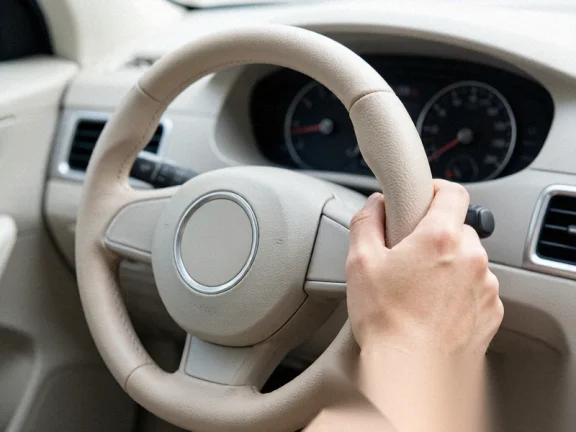
Soft-touch materials for automotive interiors must simultaneously meet requirements for touch feel, appearance, odor, heat aging resistance, cleaner resistance, and mass production processes. TPE, TPU, TPV, and silicone each have suitable applications; one cannot judge superiority solely by material name.
| Material | Suitable Applications | Key Validation |
|---|---|---|
| TPE | Knobs, grip areas, localized overmolding, and cushioning parts | Odor, tackiness, adhesion, scratch resistance, and heat aging |
| TPU | Soft parts requiring higher abrasion resistance and strength | Hydrolysis, yellowing, processing drying, and low-temperature performance |
| TPV | Seals, sheaths, and parts with weather resistance requirements | Compression set, sealing structure, media resistance, and surface appearance |
| Silicone | Special temperature resistance, elasticity, or standalone flexible parts | Tear strength, dust pickup, curing conditions, and assembly cost |
Steering wheel accessories, door panel armrests, cup holder mats, knobs, storage bin pads, and sealing parts experience different stress and temperature conditions. Clarify whether the soft-touch part is exposed to sunlight, skin oils, cleaners, continuous compression, friction, or low temperatures, then set corresponding tests.
Professional technical engineer team-possible fastest response and support to client' application demand.


