


JUYE Technology, a TPE thermoplastic elastomer manufacturer with 19 years of experience — provides you with comprehensive R&D and production solutions for TPE, TPR, TPV, TPV-SiR, TPU, and TPEE materials.
Since 2008, we have expanded into a broad range of industry application markets, providing rich solutions for various industries, with numerous application cases for your reference.
The processing and production technology of TPE materials is relatively complex, requiring strict control of the process parameters and operating conditions at each stage.
Juye Technology has gone through nearly 20 years of steady development and has established a comprehensive and thoughtful service support system.
Through the media information channel, you can get the latest updates on JUYE Technology Company's development and industry news in the first time. The FAQ and video center allow you to better explore the world of TPE materials.
JUYE Technology's sustainable development aims to carry out low-carbon production under the premise of protecting the Earth's green environment, participate in global economic cooperation and innovation practices, establish harmonious and symbiotic relationships with partners, contribute to the country, promote the development of the enterprise, and seek welfare for employees.
Dongguan JUYE Plastic Technology Co., Ltd. is a TPE thermoplastic elastomer company integrating research and development, production, and sales.
From part count, mold equipment, soft-hard material matching, structural design, and trial molding verification, this explains how TPE two-shot molding is used for soft-hard integrated manufacturing of power tools, home appliances, and handheld products.
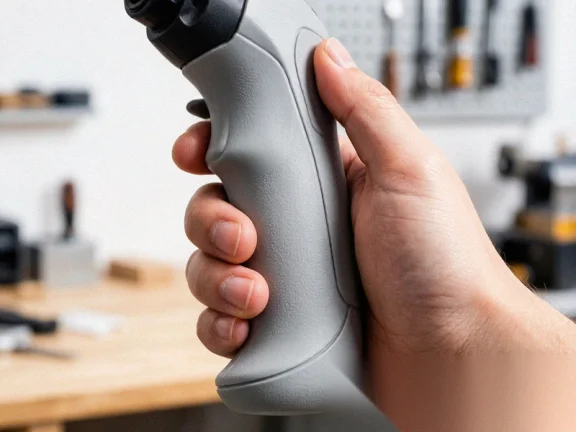
TPE two-shot molding can integrate a rigid skeleton and soft-touch areas into the same part, reducing separate soft rubber parts, adhesive bonding, or some assembly steps. However, whether it truly reduces costs depends on part structure, mold equipment, material matching, and mass production yield.
| Item | What to confirm |
|---|---|
| Mold and equipment | Whether the two-shot machine, rotary table, or secondary overmolding process matches production volume |
| Materials | Adhesion, temperature resistance, and shrinkage differences between TPE and rigid substrate |
| Yield | Short shots, flash, warpage, delamination, and appearance limits |
| Cycle time | Impact of two-stage molding, part removal, and inspection on cycle time |
Soft rubber areas should avoid abrupt wall thickness changes and overly long flow paths, and leave space for venting, positioning, and mechanical locking. For substrates that are difficult to bond, mechanical interlocking can be enhanced through undercuts, holes, or wrapping edges, but demolding and stress concentration must be evaluated.
Professional technical engineer team-possible fastest response and support to client' application demand.


