


JUYE Technology, a TPE thermoplastic elastomer manufacturer with 19 years of experience — provides you with comprehensive R&D and production solutions for TPE, TPR, TPV, TPV-SiR, TPU, and TPEE materials.
Since 2008, we have expanded into a broad range of industry application markets, providing rich solutions for various industries, with numerous application cases for your reference.
The processing and production technology of TPE materials is relatively complex, requiring strict control of the process parameters and operating conditions at each stage.
Juye Technology has gone through nearly 20 years of steady development and has established a comprehensive and thoughtful service support system.
Through the media information channel, you can get the latest updates on JUYE Technology Company's development and industry news in the first time. The FAQ and video center allow you to better explore the world of TPE materials.
JUYE Technology's sustainable development aims to carry out low-carbon production under the premise of protecting the Earth's green environment, participate in global economic cooperation and innovation practices, establish harmonious and symbiotic relationships with partners, contribute to the country, promote the development of the enterprise, and seek welfare for employees.
Dongguan JUYE Plastic Technology Co., Ltd. is a TPE thermoplastic elastomer company integrating research and development, production, and sales.
Introduces key points for selecting TPE or TPR for squishies, stress balls, and other stress relief toys, including hardness, rebound, surface, odor, durability, structure, and regulatory verification, avoiding material selection based solely on "eco-friendly and non-toxic" claims.
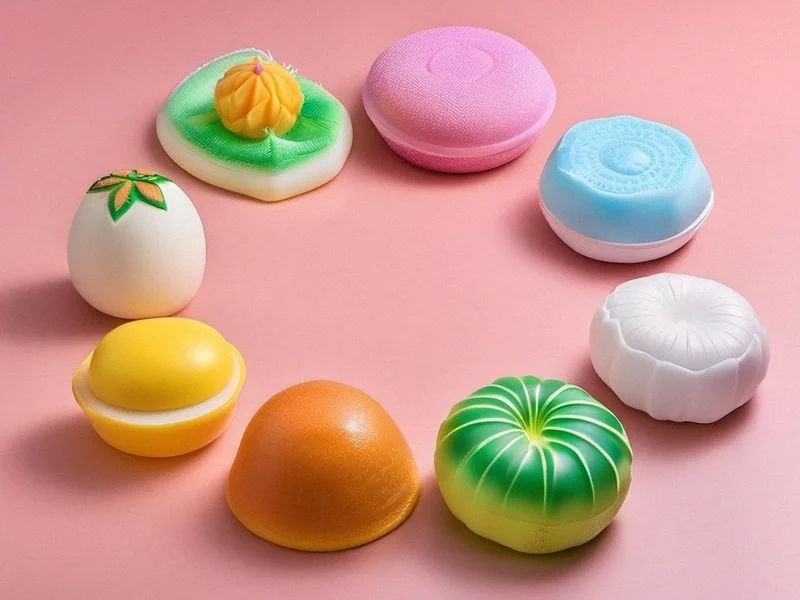
Squishies, stress balls, and squeeze toys need to balance softness, rebound, tear resistance, surface feel, and molding stability. The hardness of TPE or TPR is only a basic parameter; structure, wall thickness, and usage patterns also determine the final product's performance.
| Product | Core Requirements | Verification Methods |
|---|---|---|
| Solid stress ball | Rebound, grip feel, compression set, and surface stability | Cyclic squeezing, long-term compression, cleaning, and storage |
| Thin-walled squishy | Filling, demolding, tearing, and localized stress | Real wall-thickness samples, tensile, torsion, and drop tests |
| Hollow or composite structure | Sealing, interfacial bonding, and internal filling compatibility | Leakage, migration, environmental storage, and structural fatigue |
Materials that are too soft may increase risks of demolding issues, deformation, surface tackiness, or insufficient support; materials that are too hard may affect grip feel and rebound. Candidate materials should be compared on target wall thickness, texture, and internal structure, rather than just touching the pellets.
Professional technical engineer team-possible fastest response and support to client' application demand.


