I. Application Background and Pain Points
Consumer electronics have reached the stage of "comparable specs, price wars." As hardware differences shrink, what truly sets products apart is often the tactile feel the moment users pick them up, the sense of quality during long-term use, and whether they can pass European and American environmental audits. In the TPE consumer electronics application track, traditional soft-touch materials each have their weaknesses: silicone is costly and prone to oiliness and dust attraction; TPU is harder and feels rough; ordinary PVC contains halogens and phthalates, directly failing RoHS/REACH compliance. For consumer electronics brands targeting overseas markets, materials must not only "feel comfortable to touch" but also "pass audits"—this is where modified TPE quietly rewrites pricing power.
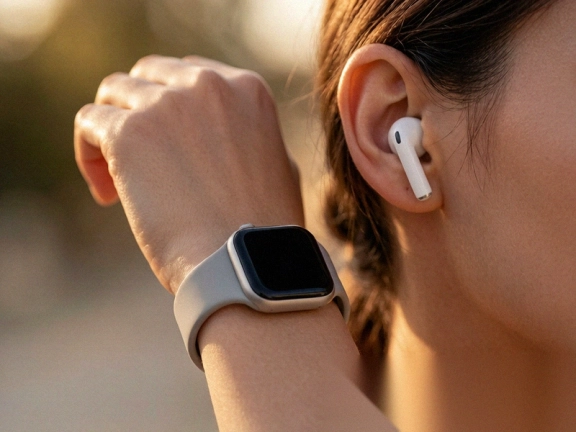
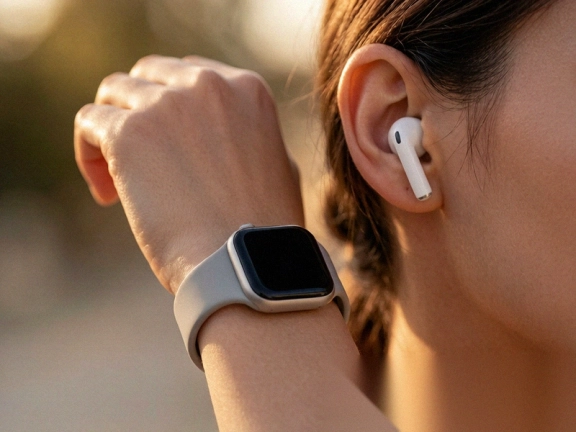
Figure 1: Overview of TPE applications in consumer electronics (wireless earbuds / phone cases / smart watch bands / soft-touch overmolding for game controllers)
II. Material Solution Comparison: TPE / Silicone / TPU / PVC
Choosing a soft-touch material is essentially a trade-off across four factors: "feel, environmental compliance, cost, and processing." Below, we compare these four commonly used materials across the dimensions most relevant to consumer electronics:
| Comparison Dimension |
TPE (SEBS-based) |
Silicone |
TPU |
PVC |
| Feel / Anti-slip |
Soft and elastic, excellent anti-slip |
Softest, prone to oiliness |
Harder, rough |
Hard, slippery |
| Environmental Compliance / Certifications |
Halogen-free, phthalate-free, RoHS/REACH |
Inert but difficult to recycle |
Some contain halogens |
Contains halogens and phthalates |
| Sweat Resistance / Anti-yellowing |
Excellent (low odor) |
Good |
Good |
Poor (prone to yellowing) |
| Two-shot Overmolding |
Strong adhesion to PC/ABS |
Requires primer, difficult to overmold |
Difficult to overmold |
Difficult to overmold |
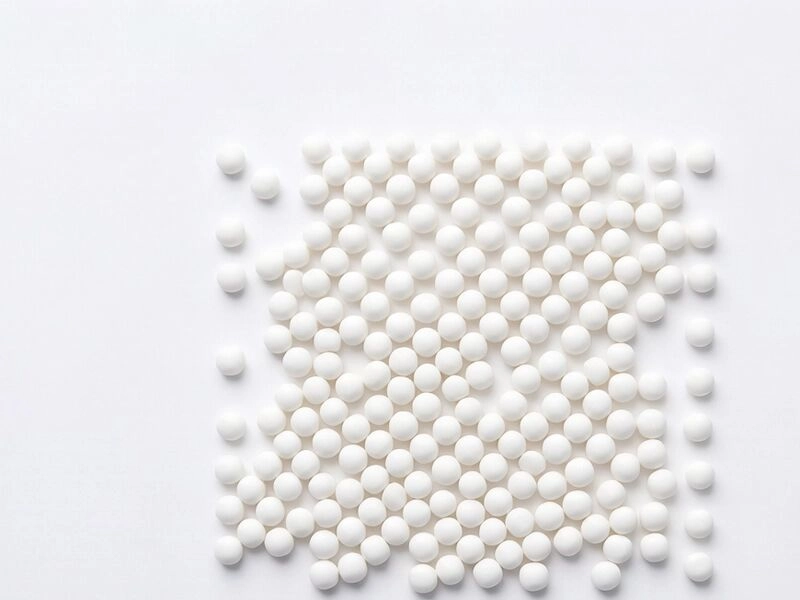
Figure 2: TPE / Silicone / TPU / PVC Material Comparison (Touch, Eco-friendliness, Sweat Resistance, Overmolding)
III. Recommended Grades and Key Parameters
Juyet offers SEBS-based TPE modified series for consumer electronics, flexibly customized according to component needs. Key parameters are as follows:
Hardness (Shore A): Freely adjustable from 40–90, covering from soft earplug sections to hard handle sections.
Environmental Certifications: RoHS and REACH compliant, halogen-free, phthalate-free, third-party test reports available.
Overmolding Substrates: Strong adhesion to PC, ABS, PC/ABS, with two-shot injection molding for one-piece forming without delamination; CSC-safe grades are also available to address PC chemical stress cracking.
Color and Texture: Custom color matching supported, with matte / semi-transparent / LED light-transmitting grades available to meet lighting effects and appearance upgrades.
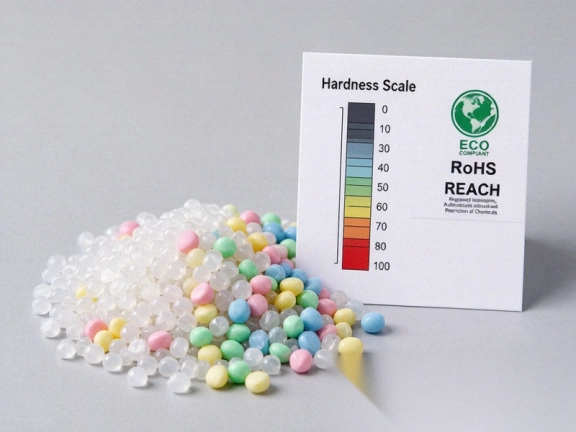
Figure 3: TPE Pellets and Physical Property Data Card (Hardness / Environmental Certifications / Color Matching)
IV. Advantages of Juyet TPE Solutions (Each Corresponds to a Buyer Pain Point)
Soft Touch and Anti-slip in One: SEBS-based TPE feels close to silicone but is easier to process, providing a non-slip grip that significantly enhances the first impression and perceived premium value.
Eco-friendly, Halogen-free, and Phthalate-free, Directly Addressing Procurement Barriers: Meets RoHS / REACH, halogen-free, phthalate-free, easily passing international buyer factory audits and environmental access requirements.
Sweat-resistant, Anti-yellowing, and Low Odor: Does not yellow or develop odors with prolonged skin and sebum contact, extending the product's aesthetic lifespan and reducing after-sales complaints.
Strong Two-shot Overmolding Adhesion, One-piece Forming Saves Process Steps: Overmolding with PC/ABS without delamination, eliminating adhesive dispensing / primer coating, improving both yield and efficiency.
High Design Freedom, Supports LED Light-transmitting Effects: Custom colors available, with matte / semi-transparent / light-transmitting grades to choose from, giving consumer electronic products both tactile and visual selling points.
V. 7 Underrated Details: How TPE Doubles the Value of Consumer Electronics
Soft Touch Is the First "Premium Business Card":The TPE rubberized grip and frame provide a warm touch, making users feel premium the moment they hold it, willing to pay 10%–30% more for the feel. Corresponding keywords: TPE soft-touch overmolding.
Two-shot injection molding in one piece, eliminating glue and snaps: TPE directly overmolds PC/ABS, saving one assembly step, reducing costs, and improving drop resistance, lowering both BOM and after-sales expenses. Corresponding keywords: consumer electronics two-shot injection molding.
Halogen-free and phthalate-free + RoHS/REACH = invisible ticket to pass factory audits: Western buyers often use factory audits as a veto item; compliant TPE ensures your goods clear customs and enter big-box retailers without issues. Corresponding keywords: TPE eco-friendly halogen-free RoHS.
Color freedom + matte / semi-transparent / translucent: Small orders with quick turnaround for light colors and transparent parts look premium and photogenic, driving social media buzz organically. Corresponding keywords: TPE consumer electronics applications.
Resistant to skin oils, sweat, and yellowing: Long-term gripping without stickiness or cracking, low odor, directly solving TPU oil bleeding and silicone oil seepage after-sales complaints, reducing return rates. Corresponding keywords: TPE replacing silicone and TPU.
CSC-safe overmolded PC/ABS, premium electronics without cracking: Chemical stress cracking (CSC) is a hidden risk in PC overmolding; Juye's CSC-safe grades minimize cracking risk. Corresponding keywords: TPE consumer electronics applications.
100% scrap recycling + low VOC = ESG selling point: The recyclable narrative combined with a low-odor workshop cuts costs and gives brands a sustainability story, justifying premium pricing. Corresponding keywords: TPE eco-friendly halogen-free RoHS.
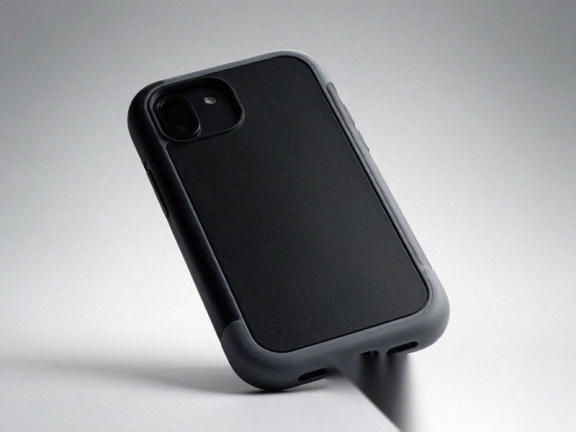
Figure 4: Close-up of TPE two-shot overmolded phone case (PC/ABS hard shell + TPE soft rubber frame in one piece)
VI. FAQ (Selection and Procurement Q&A)
How to choose between TPE and silicone?
Choose TPE for low cost, easy processing, and overmolding; choose silicone for extreme high/low temperature resistance and long-term skin-contact medical grade. For most consumer electronics housings and grips, TPE offers better cost performance.
Will TPE overmolded PC/ABS delaminate or crack?
With the right adhesion and CSC-safe modified grades, plus controlled injection molding parameters (temperature, venting), strong bonding without cracking is achievable; Juye provides process parameter support.
What environmental certifications can you provide?
We can issue RoHS and REACH reports, support halogen-free and phthalate-free declarations, meeting Western brand procurement thresholds.
What are the MOQ and lead times?
We support small trial batches to mass production, with controllable lead times for modified materials; specifics depend on grade and order quantity, and samples are welcome.
VII. CTA (Contact and Cooperation)
Dongguan Juye Plastic Technology Co., Ltd. specializes in TPE/TPR/TPV/TPU/TPEE/TPV-SiR modified materials, with its own factory, controllable delivery times, and complete certifications (RoHS / REACH / Halogen-free and Phthalate-free).
Whether you need TPE consumer electronics applications such as earphone tips, two-color overmolded phone cases, smart watch bands, or handle grip materials, we can provide trial grades and process support.
👉 Contact Juye now: Get free samples and customized material solutions
Manager Zhang
Dongguan Juye Plastic Technology Co., Ltd.
Phone: +86 13827205072 (Same as WhatsApp)
Email: juyetpe@juyetpe.com
Website: www.juyetpe.com
Address: No. 2, Fourth Street, Shu Jiu Second Industrial Zone, Changping Town, Dongguan City, Guangdong Province, China