


JUYE Technology, a TPE thermoplastic elastomer manufacturer with 19 years of experience — provides you with comprehensive R&D and production solutions for TPE, TPR, TPV, TPV-SiR, TPU, and TPEE materials.
Since 2008, we have expanded into a broad range of industry application markets, providing rich solutions for various industries, with numerous application cases for your reference.
JUYE Technology's sustainable development aims to carry out low-carbon production under the premise of protecting the Earth's green environment, participate in global economic cooperation and innovation practices, establish harmonious and symbiotic relationships with partners, contribute to the country, promote the development of the enterprise, and seek welfare for employees.
Is Shenzhen auto parts TPE reliable?

In the elastomer industry, TPE generally refers to composite functional materials modified with SEBS.
Transparent TPE materials have different product properties in different applications. Thermoplastic elastomers, also known as TPE materials, not only have the processing properties of thermoplastics but also the physical properties of vulcanized rubber. This is the so-called advantageous combination of plastic and rubber, and transparent TPE is widely used in people's daily life and production.
TPE is a classic aggregation-induced emission molecule, meaning it has no fluorescence in solution but exhibits strong fluorescence in the solid state. Therefore, transparent TPE materials also have important applications in fields such as organic optoelectronics.
Auto parts TPE

With the rapid development of the TPE elastomer industry in recent years,
SEBS is the product of hydrogenation of SBS. SEBS has a saturated molecular structure, which leads to very different properties. It has the necessary characteristics for producing transparent TPE, such as aging resistance, yellowing resistance, and also contributes to excellent properties like high temperature resistance and corrosion resistance. Only then is transparent TPE manufactured.
The wall thickness of the TPE rubber position should be as uniform as possible to achieve the best molding cycle. The transition between different wall thicknesses should be gradual to reduce fluid flow problems, such as gas marks and bubbles.
Auto parts TPE
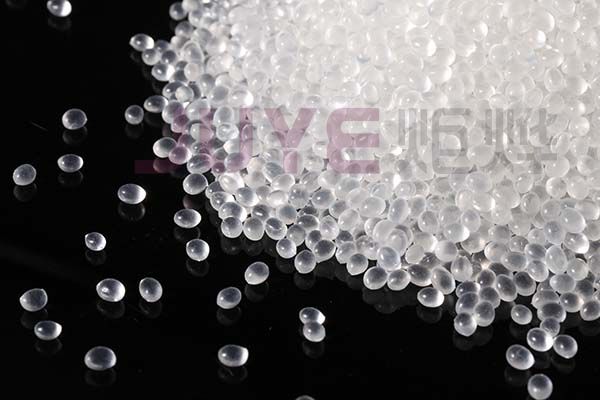
The temperature in the feed zone should be set quite low to avoid blocking the feed port and allow entrained air to escape.
Transparent TPE high-clarity materials have different product properties in different applications. Thermoplastic elastomers, also called TPE materials, not only have the processing properties of thermoplastics but also the physical properties of vulcanized rubber. This is the so-called advantageous combination of plastic and rubber, and transparent TPE is widely used in people's daily life and production.
Transparent TPE is specifically a thermoplastic elastomer, while TPR (Thermoplastic Rubber) is translated from English and strictly speaking is called thermoplastic rubber. This is the most basic difference. TPE is generally modified from the base material SEBS, while TPR is modified from the base material SBS.
Auto parts TPE
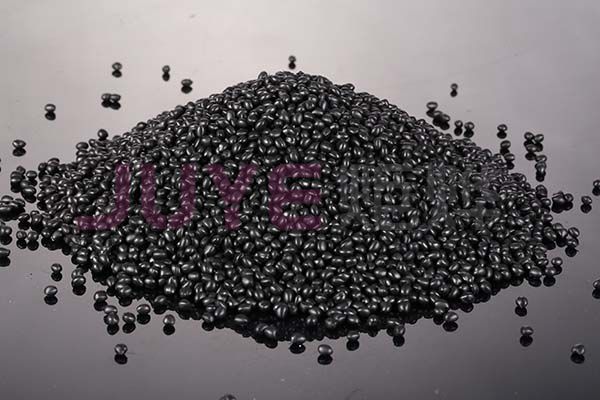
Professional technical engineer team-possible fastest response and support to client' application demand.


