
English


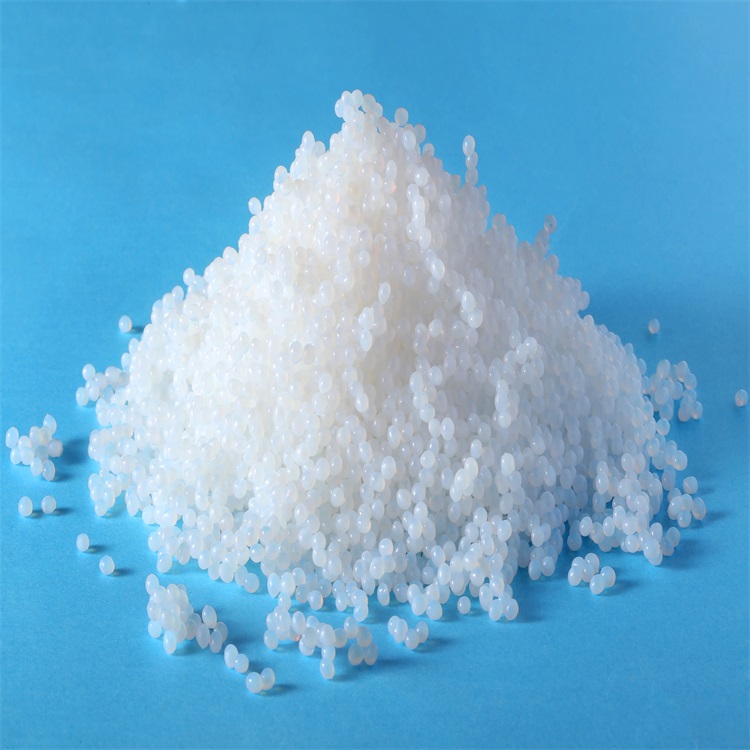
The application of TPE/TPR soft rubber materials in the toy industry is becoming increasingly common. In this traditional field of soft materials, TPE/TPR materials are gaining more consumer favor and trust due to their superior environmental safety and non-toxic properties.
Every industry has its corresponding standards, and the toy industry is no exception, with its own specialized industry standards. Moreover, different toy products have varying requirements for the physical and processing properties of TPR soft rubber materials.
1. Excellent Color Matching Performance.
Soft rubber toy products often come in bright and diverse colors, placing high demands on the color matching performance of TPE/TPR materials. A qualified TPE/TPR grade should have good pigment dispersion and facilitate effective coloring, achieving vibrant and uniform color effects.
2. Good Spray Painting, Coating, and Screen Printing Performance
Most toy products require spray painting, coating, or screen printing. To achieve excellent spray painting and screen printing results (where the paint does not peel off), the compatibility between TPE/TPR materials and inks or paints is crucial. Suitable paints or inks should be selected based on the characteristics of TPE/TPR.
3. Crack Resistance of Soft Toys
For very soft toys, it is important to choose appropriate TPE/TPR materials to prevent cracking after processing. Additionally, optimizing the molding process can reduce stress-induced cracking.
4. Environmental Performance
Although most TPE/TPR materials meet environmental standards such as ROHS and EN71-3, testing standards for toy products vary across countries or regions. Some require the absence of PAHs (polycyclic aromatic hydrocarbons) or NP (nonylphenol), while others require compliance with REACH SVHC (Substances of Very High Concern) regulations. Therefore, environmental requirements must be fully considered when formulating TPR materials.
Some toy products require high tensile and tear resistance, while others demand good rebound elasticity. In summary, the most suitable TPE/TPR materials should be provided based on the specific requirements of customers.
Regarding material hardness, TPE/TPR offers a range of 0-100A hardness for selection.
In terms of TPR processing, injection molding and extrusion remain the primary methods, while special TPE/TPR materials can be blow-molded.
The above information is provided by Dongguan Juye Plastic Technology Co., Ltd., a professional manufacturer specializing in the research, development, and production of thermoplastic TPE, TPR, and TPV materials, covering the physical properties and molding processes of TPE/TPR soft rubber for toys.
Start your Thermoplastic elastomer project with our expert team. Get the fastest response — often within minutes.
Available 24/7 for urgent inquiries


Factory Address
No. 2, Fourth Street, Shuju Second Industrial Zone, Changping Town, Dongguan City, Guangdong Province, China
Phone & WhatsApp
8613827205072
Tel
+86-769-82827851
E-mail
juyetpe@juyetpe.com
Linkman
Ms. Zhang
