
English


JUYE Technology internally ensures consistency in quality through strict production process control and rigorous testing requirements
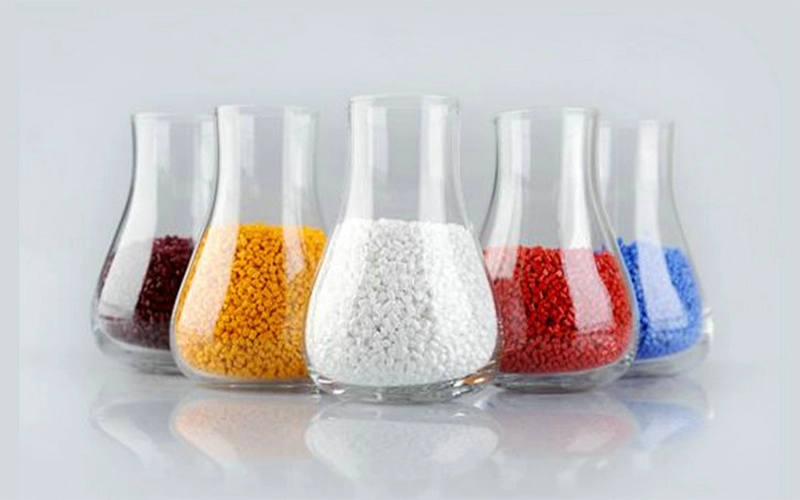
The production and manufacturing processes for products using thermoplastic elastomers (TPE) include injection molding, extrusion molding, two-color injection molding, toughening additives, and secondary injection molding.
The production and manufacturing processes for products using thermoplastic elastomers (TPE) include injection molding, extrusion molding, two-color injection molding, toughening additives, and secondary injection molding.


TPE injection molding is an efficient cyclic processing method. Its core process involves heating and plasticizing granular TPE raw materials in the barrel of an injection molding machine until they reach a molten state, and then injecting them into a closed mold cavity at high pressure and high speed. The molten material cools and solidifies in the mold cavity, forming the desired shape, and the part is ejected after the mold is opened.
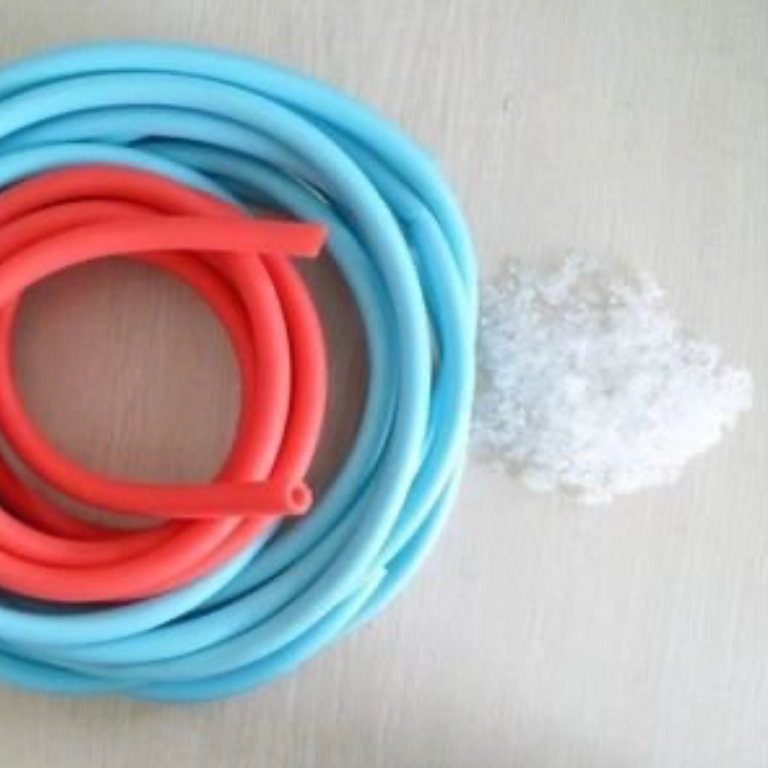
TPE (thermoplastic elastomer) extrusion molding is an efficient continuous processing method. Materials are added to the extruder through a hopper and, under the rotation of the screw, are heated, melted, and plasticized into a uniform viscous flow. The melt is then pushed under pressure through a specific die to obtain the desired cross-sectional shape, followed by cooling and shaping, pulling, and cutting, ultimately producing pipes, profiles, or sheets. The key to this process lies in precisely controlling the temperature at each section, screw speed, and cooling rate to ensure dimensional stability, smooth surface, and consistent elasticity and physical properties of the products. It has high production efficiency and is suitable for large-scale manufacturing.
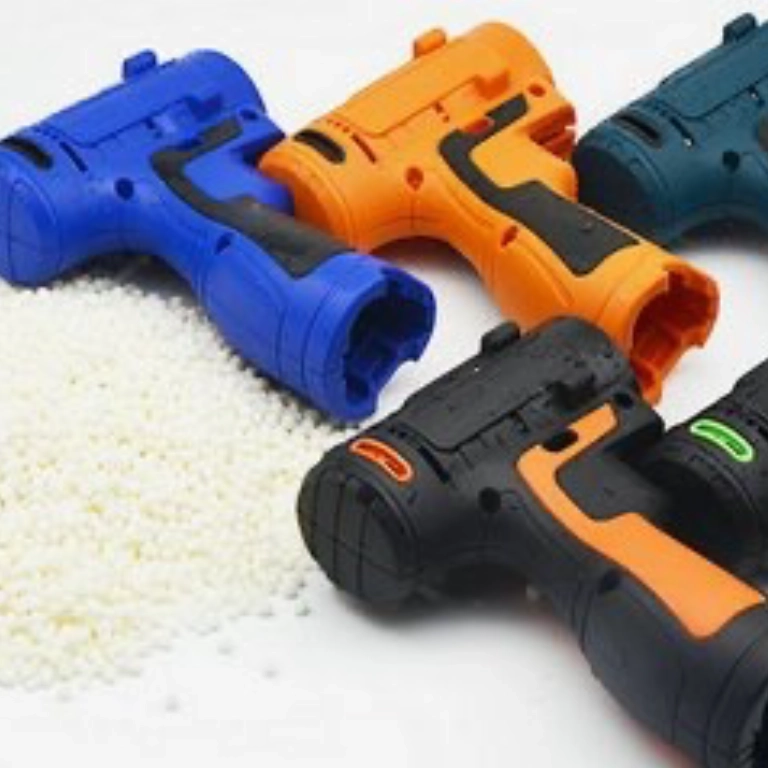
TPE (thermoplastic elastomer) double-shot injection molding is a process in which TPE material is molded together with hard plastics such as PP, ABS, or PC, or different types of TPE materials, in two separate injections using a two-color/multi-color injection molding machine. Its core advantage lies in the integrated combination of elastic and rigid properties, allowing for dual optimization of product functionality and tactile feel without the need for secondary assembly.
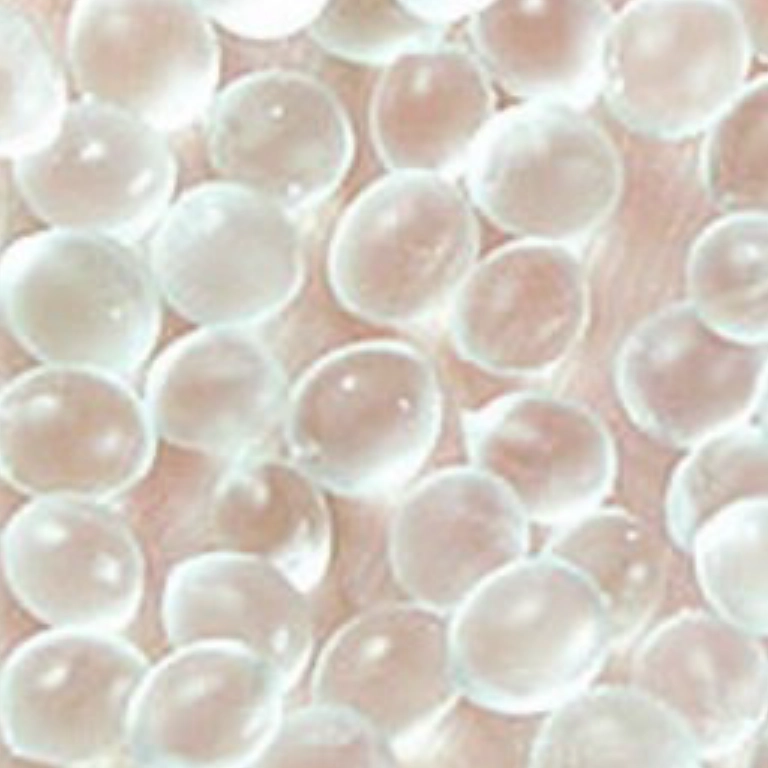
TPE toughened rigid plastic is a new composite material made by adding thermoplastic elastomers (TPE) to traditional rigid plastics. It can toughen materials like PP, PS, 475, ABS, combining the rigidity of hard plastics with the elasticity of TPE. Through a special process, the TPE is dispersed in the rigid plastic matrix in the form of microbeads or a network, forming a 'sea-island structure,' which effectively enhances the impact strength and toughness of the material.

TPE secondary injection molding is an advanced composite molding process that perfectly combines TPE material with rigid plastics (such as PP, ABS, PC, PC/ABS, PA, etc.) through a two-step injection process, forming composite products that integrate functionality and comfort. This process first involves injecting rigid plastic to form the product skeleton, then injecting TPE material in specific areas to create a soft outer layer or tactile zones.

Blow molding is a common process used to manufacture hollow plastic products, mainly divided into three types: extrusion blow molding, injection blow molding, and stretch blow molding. The basic principle is to place a molten plastic preform into a mold and use compressed air to inflate it so that it adheres to the mold cavity wall, then obtain the hollow product after cooling and setting. This process has high production efficiency and low cost, and is widely used to produce various bottles, jugs, barrels, and industrial hollow parts.
Start your Thermoplastic elastomer project with our expert team. Get the fastest response — often within minutes.
Available 24/7 for urgent inquiries


Factory Address
No. 2, Fourth Street, Shuju Second Industrial Zone, Changping Town, Dongguan City, Guangdong Province, China
Phone & WhatsApp
8613827205072
Tel
+86-769-82827851
E-mail
juyetpe@juyetpe.com
Linkman
Ms. Zhang
