
English


The FAQs about TPE materials
A bonding layer is formed at the interface between hard rubber and soft rubber.
Since TPE transparent material requires high light transmittance, the surface quality of the material product must be strictly controlled, without any defects such as streaks, pores, whitening, halo, black spots, discoloration, poor gloss, etc. Therefore, throughout the injection molding process, great attention and strict or even special requirements must be paid to TPE raw materials, equipment, molds, and even product design.
To prevent contamination of TPE raw materials and the presence of old materials or impurities in the recesses of screws and attachments, especially materials with poor thermal stability, all parts should be cleaned with screw cleaner before use and after shutdown to ensure no impurities adhere.
Two-color injection molding TPR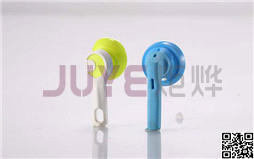
TPE is used in overmolding injection, with TPE soft rubber as the outer covering layer,
Transparent TPE materials have different product properties when applied in different aspects. Thermoplastic elastomer is also called TPE material. Transparent TPE not only has the processing properties of thermoplastic plastics, but also the physical properties of vulcanized rubber. This is the so-called advantageous combination of plastic and rubber, and transparent TPE is widely used in people's life and production.
Styrenic transparent TPE is widely used in the shoe industry, largely replacing rubber; at the same time, its applications in industrial rubber products such as rubber cloth and rubber sheets are also expanding.
Two-color injection molding TPR
TPE as raw material. TPE material manufacturers have environmental protection, non-toxicity, good elasticity, and smooth surface. In addition,
Olefinic transparent TPE has good weather resistance and ozone resistance, so it is called the fastest-growing variety in TPE. It is mainly used as a major rubber material in fields such as automotive and home appliances.
To achieve the matte appearance of thermosetting rubber, a rougher mold surface is required. Generally speaking, the rough surface produced by electrical discharge machining (EDM) of the cavity will result in excellent workpiece appearance and make demolding relatively simple. Grinding methods such as steam blasting, sandblasting, or shot blasting, as well as chemical etching, can also be used to create surfaces with different gloss and appearance.
Two-color injection molding TPR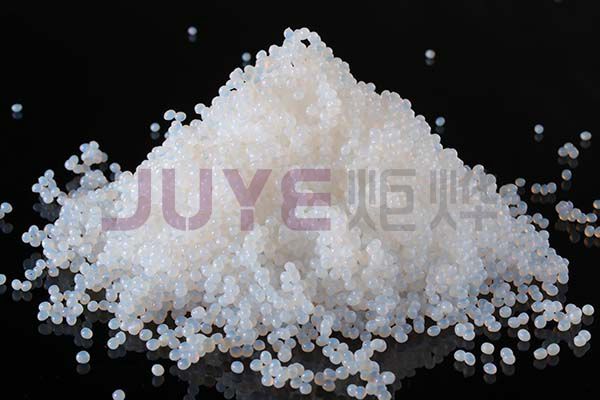
Start your Thermoplastic elastomer project with our expert team. Get the fastest response — often within minutes.
Available 24/7 for urgent inquiries

Factory Address
No. 2, Fourth Street, Shuju Second Industrial Zone, Changping Town, Dongguan City, Guangdong Province, China
Phone & WhatsApp
8613827205072
Tel
+86-769-82827851
E-mail
juyetpe@juyetpe.com
Linkman
Ms. Zhang
