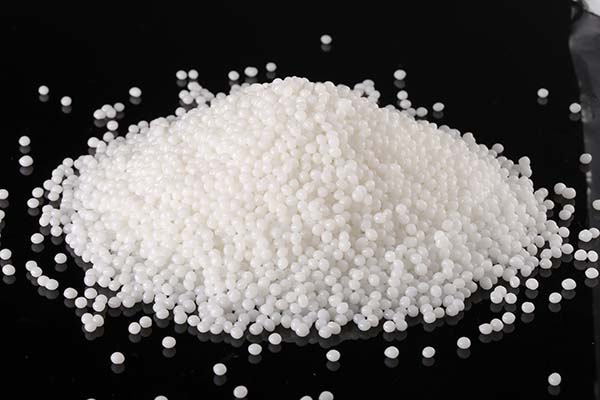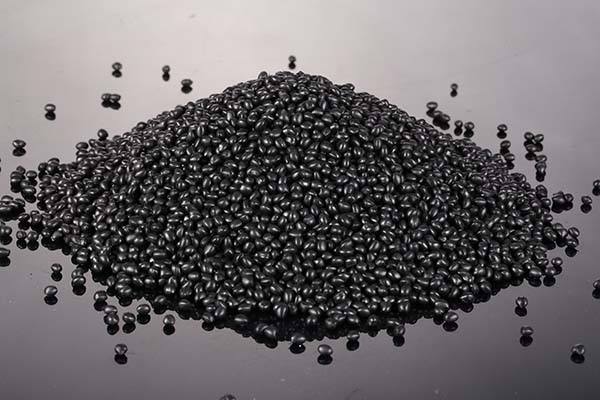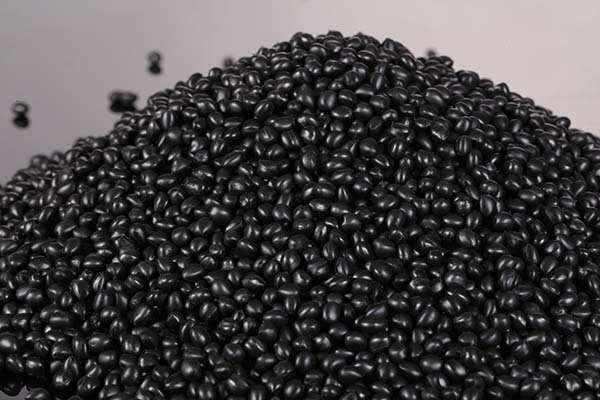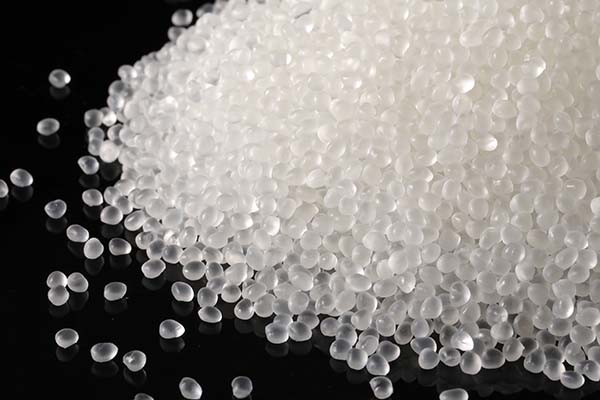
Introduction to the characteristics and application fields of thermoplastic elastomer TPE, TPU, TPV materials:
1. Specific gravity
The specific gravity of TPE varies widely, ranging from 0.89 to 1.3, TPV around 0.98, TPU between 1.0 and 1.4 (reference: specific gravity of water is 1).
2. Transparency
TPU is better than
TPE, TPE is better than TPV. Transparent TPV is not yet available on the market, but it is said that large foreign companies have already developed such products.
3. Weather resistance
TPV is better than TPE, TPE is better than TPU.
4. Oil resistance
TPU (good) is better than TPV (medium), TPE is not oil resistant.
5. Wear resistance
TPU is better than TPV, TPV is better than TPE. There are also high-wear-resistant TPEs currently, but there is still a gap compared to TPU.
7. Temperature resistance
TPE is -60℃ to 90℃, TPV is -60℃ to 130℃, TPU is -60℃ to 80℃.
6. Acid and alkali resistance (weak acid and weak alkali)
TPV is better than TPE, TPU is not resistant to acids and alkalis.
Application fields of TPE, TPU and TPV
Application fields of TPU
1. Tubing
TPU has flexibility, tear resistance, good memory, not easy to kink, and easily returns to its original shape over a wide temperature range. It is weldable, oil resistant, chemical resistant, grease resistant, etc., making it the latest generation of high-grade tubing, which can be made into oil pipes, water pipes, compressed air pipes, pneumatic component air pipes, etc.
2. Automotive industry
Due to TPU's good mechanical properties, oil, grease, high and low temperature resistance, elasticity and wear resistance, it is now increasingly used in the automotive industry. For example, brake hoses, oil pipes, airbags, interior trim parts, etc.
3. Cables
TPU provides tear resistance, wear resistance and flexibility. Resistance to high and low temperatures is key to cable performance. In addition, it is chemical resistant, hydrolysis resistant, and microbial decomposition resistant, and is easy to process and dye. Therefore, high-grade cables such as control cables and power cables use TPU as a coating material to protect complex cable designs, and its applications are becoming increasingly widespread.
4. Special-shaped profiles
Since TPU materials can be processed into various shapes through plastic processing methods such as injection molding, extrusion, and calendering, various high-end decorative trims with oil resistance, high temperature resistance, aging resistance, and high mechanical properties are areas where TPU and TPE materials can exert their superior performance. Especially the high elasticity of thermoplastic elastomers, which are not damaged by oil, high-temperature water, or harsh environments, has made them the preferred materials for high-end decorative trims, sealing strips, and soft-hard combination decorative strips.
5. Special-shaped profiles
Since TPU materials can be processed into various shapes through plastic processing methods such as injection molding, extrusion, and calendering, various high-end decorative trims with oil resistance, high temperature resistance, aging resistance, and high mechanical properties are areas where TPU and TPE materials can exert their superior performance. Especially the high elasticity of thermoplastic elastomers, which are not damaged by oil, high-temperature water, or harsh environments, has made them the preferred materials for high-end decorative trims, sealing strips, and soft-hard combination decorative strips.
6. Shoes and sports equipment
TPU is the fourth-generation sole material after rubber, PVC, and SBS. It has greater elasticity and superior mechanical strength, better wear resistance, tear resistance, flexibility, and stronger friction. It has become the sole and upper material for various highly demanding specialized shoes, such as soccer shoes, ice skates, mountaineering boots, work shoes, etc. It can also be used as the surface material for footballs, handballs, basketballs, volleyballs, and auxiliary materials for various sports equipment.
TPE properties and application fields
TPE has both the ozone resistance, weather resistance, and aging resistance of PVC, and the crosslinkability of NBR (nitrile rubber). It also improves tensile strength, modulus, tear resistance, heat resistance, and flame resistance, and has comprehensive properties such as oil resistance, fuel resistance, chemical resistance, and easy coloring. Moreover, the main material PVC is abundant and low-cost, so it is widely used in many fields.
1. Wires and cables
TPE can be used in the wire and cable industry and can compete with TPU and TPV in fields such as special cables and submarine cables.
2. Rubber rollers
Rubber rollers are metal cores covered with rubber through a certain processing technology. Due to the slight elastic deformation of the rubber layer on the surface of the roller, the product can withstand a certain pressure to meet the needs of the processing process, while avoiding excessive shear stress that could damage the product. They have a wide range of uses. For a long time, rubber rollers have mostly used rubber as the covering material. TPE replaces rubber for producing rubber rollers, especially suitable for light-colored and brightly colored rollers, such as those needed in latex glove production lines, printing, dyeing, and textile industries.
3. Hoses
TPE can be used as a hose material, especially for oil-resistant hoses and gas hoses. Direct extrusion molding is fast, with low expansion rate, smooth and glossy product surface, good tube stiffness, and easy dimensional control. After customer testing and use, the products are generally well received.
4. Sole materials
Like TPU, TPE is the latest generation of sole material. It not only has excellent oil resistance, solvent resistance, flex cracking resistance, and wear resistance, but also is cheaper than TPU, making it a cost-effective sole material.
5. Others
In addition, TPE can also be used in the production of foamed plastics, protective coatings, flame-retardant conveyor belts, various special-shaped profiles, soft-hard combination decorations, and high-end decorative strips.
Properties and application fields of TPV
TPV structural characteristics ensure both good thermoplastic rheological properties for easy molding processing (injection molding, extrusion, calendering, etc.) and high elasticity at room temperature. It is suitable for producing seals, damping parts, protective shields for various industrial equipment, as well as conduits and fittings for special purposes.