
English


The FAQs about TPE materials
TPE uses overmolding injection bonding processing. Common products such as handles, grips, electronic materials, etc.
Diene transparent TPE, diene TPE is mainly an isomer of natural rubber, so it is also called thermoplastic trans-natural rubber. Although its heat resistance and mechanical strength are not as good as rubber, it has good transparency, weather resistance, electrical insulation, and photodegradability, and is widely used in shoemaking, sponge, optical film, and other industrial rubber products.
TPE is a classic aggregation-induced emission molecule, meaning it has no fluorescence in solution but exhibits strong fluorescence in solid state. Therefore, transparent TPE materials also have important applications in organic optoelectronics and other fields.
Natural color TPE manufacturer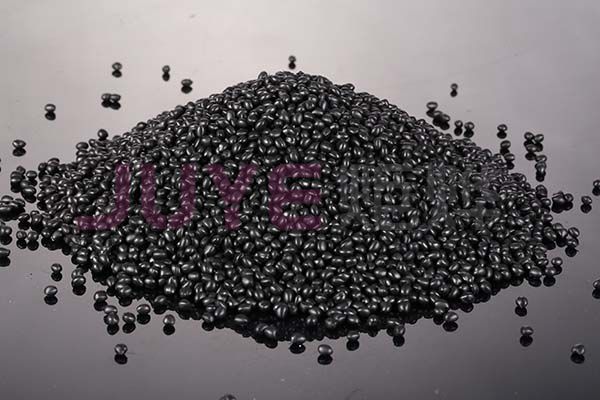
TPE is used in overmolding injection bonding, with TPE soft rubber as the soft outer covering layer,
Transparent TPE is used in appliance housings, handles, grips, etc. It exhibits very good hand feel, is anti-slip and labor-saving, and is easy to color and process. It also has a wide design space.
SEBS is the product of hydrogenation of SBS. SEBS has a saturated molecular structure, which leads to very different characteristics. It has the necessary aging resistance, yellowing resistance, and other traits required for producing transparent TPE, and also contributes to excellent properties such as high temperature resistance and corrosion resistance. Only then can transparent TPE be produced.
Natural color TPE manufacturer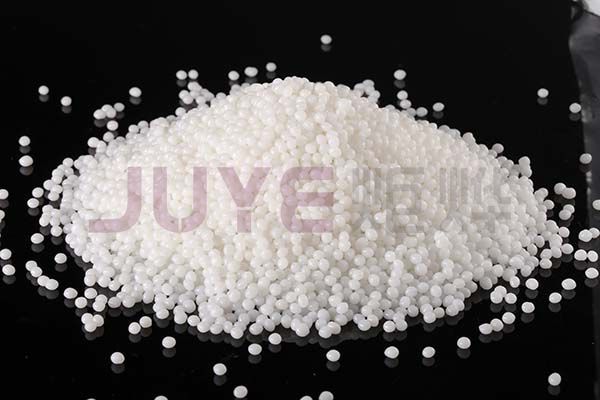
TPE material has good fluidity, mainly for injection molding.
Transparent grades are divided into transparent and translucent series, each with various softnesses; excellent transparency; smooth and soft surface; good yellowing resistance, tear resistance, good tensile strength; meets environmental requirements; suitable for various transparent series products.
Thickness of TPE, TPR overmolding layer. In most overmolding applications, a wall thickness range of 1.5-3.0mm will ensure good adhesion. If the TPE layer is too thin, injection molding is difficult, adhesion strength is low, and hand feel is poor. If the TPE layer is too thick, on one hand the cost is higher, on the other hand defects such as shrinkage and bubbles are prone to occur.
Natural color TPE manufacturer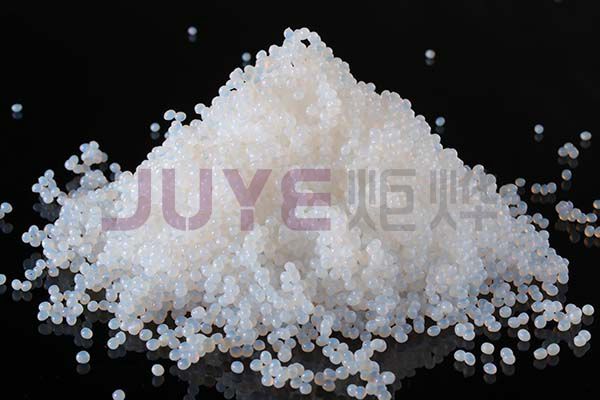
Start your Thermoplastic elastomer project with our expert team. Get the fastest response — often within minutes.
Available 24/7 for urgent inquiries


Factory Address
No. 2, Fourth Street, Shuju Second Industrial Zone, Changping Town, Dongguan City, Guangdong Province, China
Phone & WhatsApp
8613827205072
Tel
+86-769-82827851
E-mail
juyetpe@juyetpe.com
Linkman
Ms. Zhang
