
English


The FAQs about TPE materials
In the elastomer industry, TPE usually refers to a composite functional material modified from SEBS.
Transparent TPE is used in appliance casings, handles, grips, etc. It exhibits excellent touch, is non-slip and labor-saving, and is easy to color and process. It also offers a wide design space.
The transparent grade is divided into transparent and translucent series, each with various hardness levels; excellent transparency; smooth and soft surface; good anti-yellowing performance, tear resistance, and tensile strength; meets environmental requirements; suitable for all kinds of transparent series products.
Thermoplastic Elastomer TPR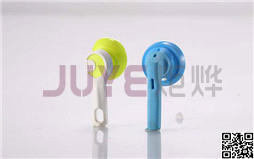
TPE is processed by overmolding injection, and common products include handles, grips, electronic materials, etc.
SEBS is the hydrogenated product of SBS. SEBS has a saturated molecular structure, which leads to very different characteristics. It has the necessary aging resistance, yellowing resistance, and other properties required for producing transparent TPE, and also contributes to excellent heat resistance and corrosion resistance. Thus, transparent TPE is produced.
To prevent contamination of TPE raw materials and the accumulation of old materials or impurities in the recesses of the screw and accessories, especially materials with poor thermal stability, all parts should be cleaned with screw cleaner before use and after shutdown to ensure no impurities adhere.
Thermoplastic Elastomer TPR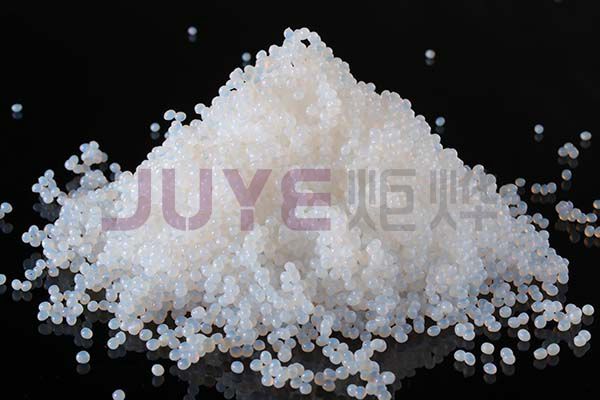
Why is TPE material a good choice for toy dolls? The application of thermoplastic elastomer TPE soft compounds in the toy industry is becoming increasingly common. In the application field of toys,
Transparent TPE is used in stationery, sports equipment, etc. It has good UV resistance, chemical resistance, and is easy to color and process.
To achieve the matte appearance of thermoset rubber surfaces, a rougher mold surface is required. Generally speaking, the rough surface produced by electrical discharge machining (EDM) of the mold cavity will result in excellent workpiece appearance and make demolding relatively easy. Grinding methods such as steam blasting, sandblasting, shot blasting, as well as chemical etching, can also be used to produce surfaces with different gloss and appearance.
Thermoplastic Elastomer TPR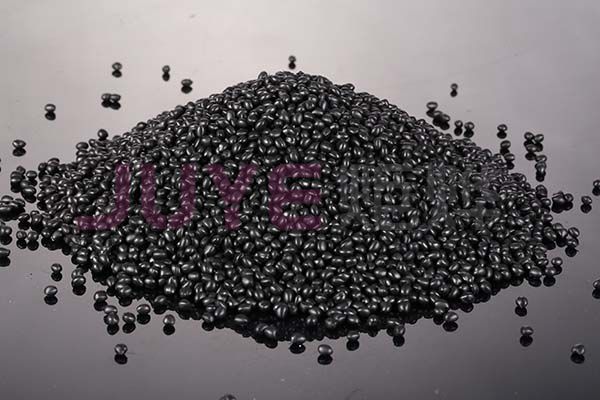
Start your Thermoplastic elastomer project with our expert team. Get the fastest response — often within minutes.
Available 24/7 for urgent inquiries


Factory Address
No. 2, Fourth Street, Shuju Second Industrial Zone, Changping Town, Dongguan City, Guangdong Province, China
Phone & WhatsApp
8613827205072
Tel
+86-769-82827851
E-mail
juyetpe@juyetpe.com
Linkman
Ms. Zhang
