
English


The FAQs about TPE materials
TPE uses overmolding injection processing, commonly used products such as handles, grips, electronic materials, etc.
The thickness of the TPE/TPR overmolding layer. In most overmolding applications, a wall thickness range of 1.5-3.0mm will ensure good adhesion. If the TPE layer is too thin, injection molding is more difficult, adhesion strength is lower, and hand feel is also poor. If the TPE layer is too thick, on one hand the cost is higher, and on the other hand defects such as shrinkage and bubbles are prone to occur.
Due to the high light transmittance required for transparent TPE materials, the surface quality requirements of the material products must be strict, without any defects such as spots, pores, whitening, haze, black spots, discoloration, poor gloss, etc. Therefore, throughout the injection molding process, strict and even special requirements must be paid attention to for TPE raw materials, equipment, molds, and even product design.
TPE two-color injection molding
The key point of TPE overmolding (two-shot injection molding) is to ensure good adhesion and bonding between TPE and the substrate materials such as PP, ABS, PC, PA, etc. To achieve good adhesion between TPE and the coated substrate,
Transparent TPE is used in household appliance housings, handles, grips, etc., exhibiting excellent hand feel, anti-slip and labor-saving properties, easy coloring and processing, and has a wide design space.
Transparent TPE materials have different product properties when applied in different aspects. Thermoplastic elastomer, also known as TPE material, transparent TPE not only has the processing properties of thermoplastics but also the physical properties of vulcanized rubber. This is the advantageous combination of plastic and rubber. Transparent TPE is widely used in people's daily life and production.
TPE two-color injection molding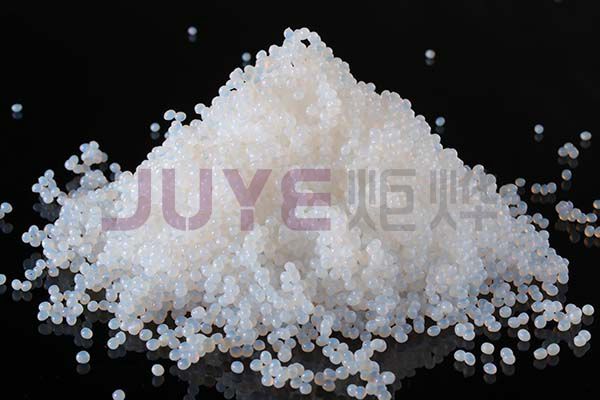
TPE material has good fluidity and is mainly used for injection molding.
Diene-based transparent TPE, diene-based TPE is mainly an isomer of natural rubber, also known as thermoplastic trans-natural rubber. Although its heat resistance and mechanical strength are not as good as rubber, it is widely used in shoemaking, sponges, optical films, and other industrial rubber products due to its good transparency, weather resistance, electrical insulation, and photodegradability.
Olefinic transparent TPE has excellent weather resistance and ozone resistance, so it is the fastest-growing variety among TPEs. It has become the main rubber material in fields such as automotive and household appliances.
TPE two-color injection molding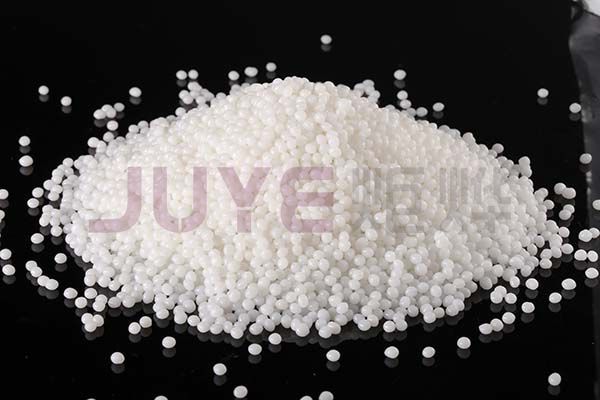
Start your Thermoplastic elastomer project with our expert team. Get the fastest response — often within minutes.
Available 24/7 for urgent inquiries


Factory Address
No. 2, Fourth Street, Shuju Second Industrial Zone, Changping Town, Dongguan City, Guangdong Province, China
Phone & WhatsApp
8613827205072
Tel
+86-769-82827851
E-mail
juyetpe@juyetpe.com
Linkman
Ms. Zhang
