
English


The FAQs about TPE materials
TPE overmolding generally uses a two-shot injection molding process,
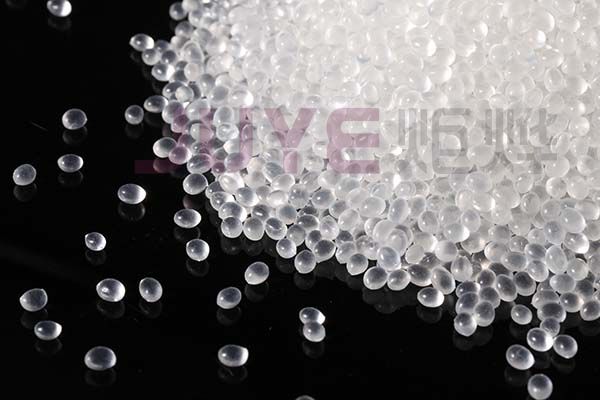
SEBS is the product after hydrogenation of SBS. SEBS has a saturated molecular structure, which leads to very different characteristics. It has the necessary aging resistance, yellowing resistance and other properties for producing transparent TPE, and also contributes to excellent high temperature resistance and corrosion resistance. That is how transparent TPE is made.
To prevent contamination of TPE raw materials and the presence of old materials or impurities in the screw and attachment recesses, especially materials with poor thermal stability, all parts should be cleaned with screw cleaner before use and after shutdown to ensure no impurities adhere.
Secondary molding TPR

TPE is processed by overmolding. Common products include handles, grips, electronic materials, etc.
Transparent TPE is used in appliance housings, handles, grips, etc. It provides very good touch, anti-slip and labor-saving properties, and is easy to color and process. It also has a wide design space.
Since any impurity in the TPE material can affect the transparency of the product, sealing must be ensured during storage, transportation, and feeding to keep the TPE raw material clean. Especially if the TPE raw material contains moisture, it will cause deterioration upon heating, so drying is essential. During injection molding, a drying hopper must be used for feeding.
Secondary molding TPR
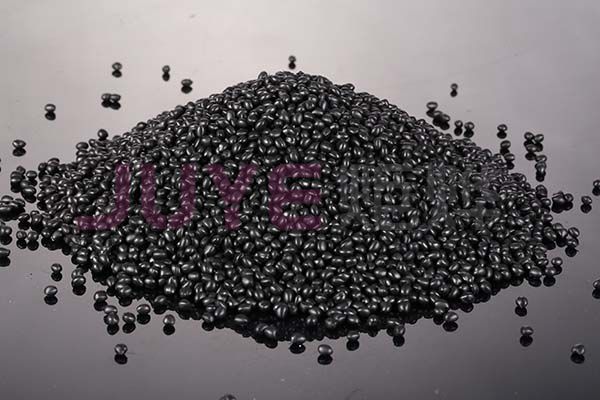
TPE as a raw material. TPE material manufacturers are environmentally friendly, non-toxic, elastic, and have a smooth surface. In addition,
Transparent TPE material has different product properties when applied in different aspects. Thermoplastic elastomer is also called TPE material. Transparent TPE not only has the processing performance of thermoplastic plastics, but also has the physical properties of vulcanized rubber. This is the advantageous combination of plastic and rubber. Transparent TPE is widely used in people's life and production.
Transparent TPE, specifically a thermoplastic elastomer, while TPR is translated from English, strictly speaking called thermoplastic rubber. This is the most basic difference. TPE is generally formed by modification of SEBS base material, while TPR is modified from SBS base material.
Secondary molding TPR
Start your Thermoplastic elastomer project with our expert team. Get the fastest response — often within minutes.
Available 24/7 for urgent inquiries

Factory Address
No. 2, Fourth Street, Shuju Second Industrial Zone, Changping Town, Dongguan City, Guangdong Province, China
Phone & WhatsApp
8613827205072
Tel
+86-769-82827851
E-mail
juyetpe@juyetpe.com
Linkman
Ms. Zhang
